As BONGO, a company specializing in international repatriation of the deceased, we understand that every life story is different and deserves a unique farewell. A secular funeral is a ceremony that places the person at its center — their passions, achievements, the love they gave, and the emptiness they left behind. It is a ceremony of a deeply personal, even intimate nature. How can it be prepared so that it is both beautiful and dignified?
What does the process of preparing a secular funeral look like?
The organization of a secular funeral ceremony differs fundamentally from a traditional religious burial. There is no rigid liturgy or imposed prayers. The key element is the script — an individually written plan of the final farewell.
The process of organizing a secular funeral begins with a meeting between the family and the funeral home representative, during which the scope of funeral services is determined, followed by a conversation with the person conducting the ceremony — the master of the secular funeral ceremony. During a calm, often deeply moving conversation, the family shares stories about the life of the Deceased. Who was they? What did they love? What music did they listen to? What were the most important moments of their life? Based on these memories, a laudation — a farewell speech — is created, which becomes the most important part of the ceremony.
A secular funeral requires slightly more emotional engagement from the family during the planning stage than a requiem mass, where the ritual is fixed. In the case of a secular ceremony, a scenario must be arranged: from the moment the body or urn is displayed, through speeches, music, and accompaniment, to the final moment of burial.
Where can a secular farewell ceremony be held?
One of the greatest advantages of secular ceremonies is the flexibility in choosing the location. Since we are not limited by canon law requirements or the necessity of being in a sacred space (church), the farewell may take place in an environment that best reflects the spirit of the Deceased or provides the family with the greatest comfort.
The most commonly chosen places are cemetery chapels or dedicated farewell rooms in funeral homes, which are free of religious symbols (or those symbols are covered/removed for the duration of the ceremony). Increasingly, especially in the case of urn funerals, the secular ceremony begins directly at the grave or columbarium.
Some families also choose outdoor farewells — in a place that was important or simply soothing for the Deceased. Only after this part does the procession proceed to the cemetery, where the burial ceremony takes place.
Who conducts the ceremony during a secular funeral?
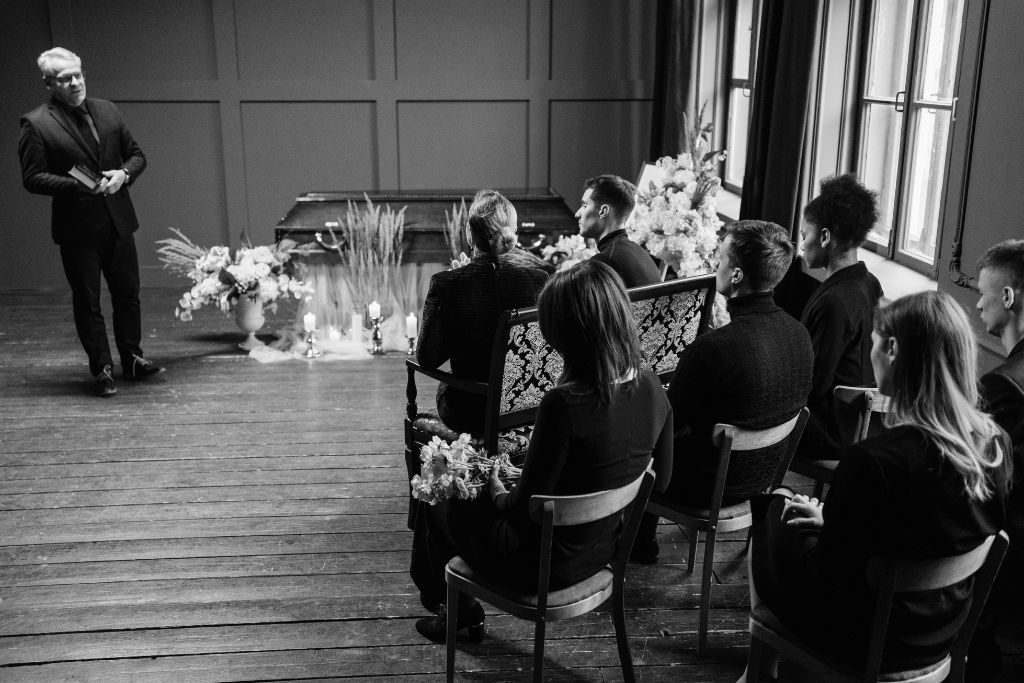
Unlike religious ceremonies, in which the main officiant is a member of the clergy, here the key figure is the master of ceremonies. This is a professional who combines the qualities of an orator, psychologist, and event director.
A good master of ceremonies is a person of high personal culture, impeccable diction, and — most importantly — great empathy. Their attire is usually formal; it is often a classic suit / classic dark dress, although many masters wear special robes to add solemnity and dignity to the ceremony. The master of ceremonies does not use religious symbols and does not lead prayers. However, they may invite those gathered to a moment of silence and personal reflection. In the funeral speech, the master of ceremonies focuses on the temporal dimension of the Deceased’s life, their passions, interests, achievements, and their influence on the family and local community.
The role of the master of ceremonies is not limited to delivering the speech. It is the master who welcomes the mourners, leads the funeral procession, guides participants through the successive stages of the ceremony, and ensures that everything unfolds in a calm and respectful atmosphere. They are the host who makes sure the family feels cared for. Choosing the right person is crucial, which is why it is worth asking the funeral home for recommendations or meeting with the master beforehand to ensure that their personality and style of conducting the ceremony align with the expectations of those organizing the funeral.
How is the setting of a secular ceremony prepared?
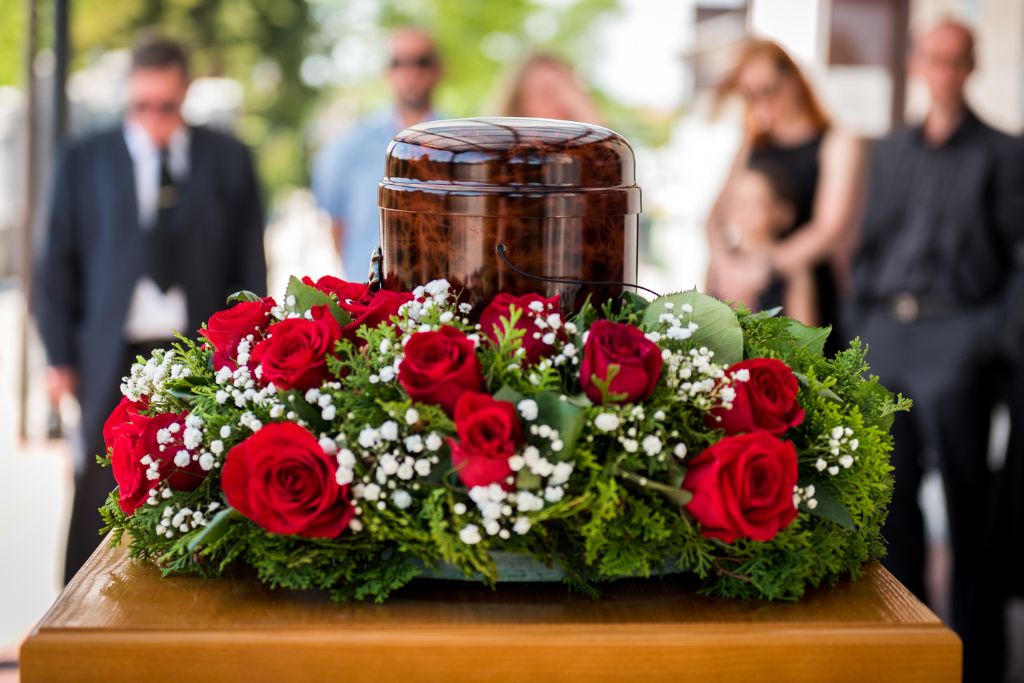
The setting of a secular funeral provides an opportunity to express respect and love in the most personalized way. Music plays a key role. We are not limited to funeral marches or religious hymns. If the Deceased was a fan of rock, jazz, or film music — these pieces can, and even should, be played during the farewell. Equally important is the visual arrangement. In the chapel or farewell room, an easel with a photograph of the Deceased is often displayed. Increasingly, presentations with photos from various stages of the person’s life are also shown. They contain a powerful emotional message that helps mourners in the process of saying goodbye. Floral arrangements are usually subdued, but even here one may depart from tradition by choosing the Deceased’s favorite flowers instead of standard wreaths. Items related to the profession or passion of the Deceased are also used in designing the ceremony space. Sometimes mourners are encouraged to dress in a particular way to pay tribute to the person who has passed away.
Which elements are optional, and which are most commonly practiced?
Although the script of a secular funeral ceremony contains many personalized components, it always relies on standards that give the ceremony a dignified character. The most common elements that form the core of the ceremony include:
• Laudation, meaning the aforementioned farewell speech. It is the essence of a secular ceremony.
• A moment of silence, serving as a moment of reflection that replaces communal prayer. A time for personal thoughts, memories, and a final internal farewell.
• Words of gratitude expressed by the master of ceremonies on behalf of the family to those present — for their presence, support, and flowers. Thanks are often also extended to healthcare workers or hospice caregivers.
• The final farewell at the grave: the moment of placing the coffin or urn usually accompanied by selected music.
Optional elements that families choose most often include:
- additional speeches by relatives or the reading of letters,
• multimedia presentations,
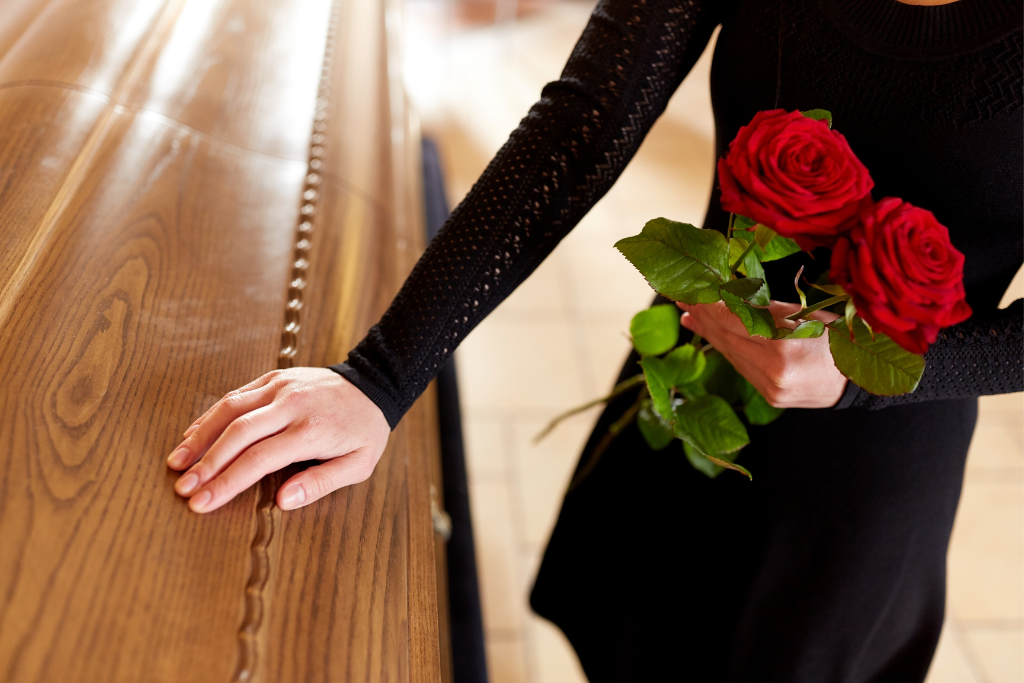
• symbolic gestures (e.g., rose petals scattered instead of earth),
• commemorative cards with a quote and a photograph of the Deceased,
• special elements such as releasing balloons or doves (if allowed by local regulations).
What expenses should be expected when organizing a secular funeral?
Many people assume that the lack of church fees makes a secular funeral less expensive. In reality, the costs are comparable. Expenses may vary depending on the region and the scope of funeral services, but they usually include:
• The fee for the person conducting the ceremony,
• Musical arrangements performed by professional musicians,
• Rental of a farewell room/chapel,
• Decorative elements such as flowers, a condolence book, a funeral tent, and the printing of a photograph of the Deceased.
Organizing a secular funeral is not only a logistical challenge, but above all an emotional one. It requires sensitivity and professionalism. It is worth entrusting the organization of a secular ceremony to professionals who will ensure that the final farewell of a loved one takes place exactly as they would have wished — with dignity, respect, and in harmony with their life’s truth.
If you are faced with the need to organize international repatriation of a deceased person and subsequently plan a ceremony (secular or religious), the BONGO team provides support at every stage — from formalities to the safe return of your loved one to the country and the preparation of the funeral ceremony.
 +48 22 831 00 36
  biuro@bongo.com.pl