What does “repatriation of a deceased person from abroad” mean?
The term repatriation of a deceased person from abroad includes all procedures that must be carried out so that the body of the deceased can legally return to Poland. This concerns both obtaining documents confirming the death and its circumstances, as well as arranging transportation — by land or by air. In practice, this procedure requires cooperation between funeral homes, consulates, and local authorities.
What documents are required to transport a body from abroad to Poland?
In order for the transport to be possible, several essential documents must be obtained. These include:
- A death certificate issued in the country where the death occurred, together with a sworn translation.
- A certificate confirming the absence of infectious disease, issued by local sanitary services or a physician.
- A permit issued by the starost or the mayor of the city competent for the place of burial in Poland, granted on the basis of a submitted application.
- A permit issued by the Polish consul for the transport of the body or ashes.
- Documents confirming the identity of the deceased.
Some countries require additional certificates and documents, which is why it is advisable to entrust the organization of international body or ashes transport to a specialized funeral company, such as Bongo. This allows both for avoiding errors in paperwork and significantly speeding up the entire process.
How long does it usually take to obtain all the necessary documents?
The time required to obtain the documents is the most important factor affecting the return of the deceased person to the country. In most European countries, completing the certificates and permits takes between 2 and 7 working days. If the death occurred suddenly — for example as a result of an accident or a crime — this time may be extended by the waiting period for an autopsy and investigative procedures.
In the case of countries outside Europe, the formalities may take significantly longer, especially when legalization of documents is required or when there are major cultural and administrative differences.
How long does transporting a deceased person usually take in practice?
The duration of transport depends on the distance, the chosen means of transportation, and the availability of connections. Land transport within Europe typically takes between 12 and 48 hours from the moment the body is collected from the foreign facility. Air transport, although fast, depends on flight schedules and cargo procedures — from the moment the coffin or urn is checked in, it may take from 1 to 3 days.
This means that the journey itself is rarely the longest part of the process. The most time-consuming elements are administrative matters and preparing the body for transport, which again shows how crucial professional handling of the entire procedure by a specialized funeral home truly is.
Is transporting an urn with ashes simpler and faster than transporting a body?
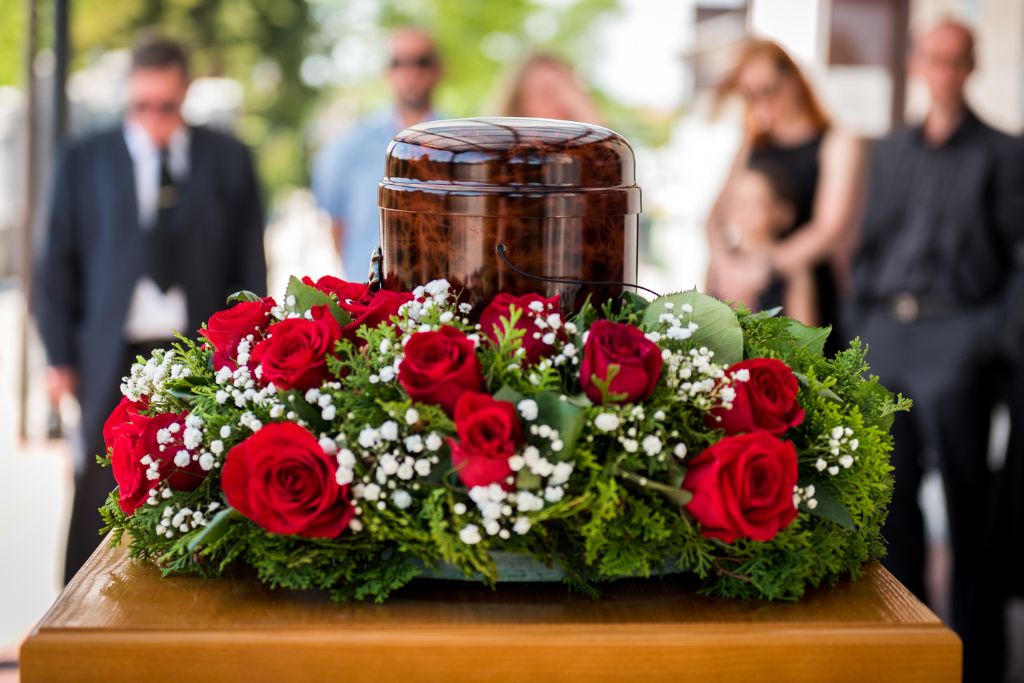
In most cases — yes. Transporting ashes is significantly less complicated in sanitary terms. An urn does not require special protection, nor is it subject to such strict sanitary regulations. Moreover, obtaining the necessary permits from the consul and the local authorities in Poland is usually faster.
It should also be emphasized that an urn can be transported personally, without the need for specialized transportation. However, regulations in some countries — for example in Germany — do not allow urns to be released to private individuals. The collection of urns with ashes can only be carried out by specialized funeral homes. If local regulations allow private individuals to collect the urn, then after completing the required documentation, the urn may be transported by private car, train, or airplane. In the latter case, it is necessary to check the regulations of individual airlines, as they may vary depending on the carrier.
The procedure of repatriating ashes from abroad usually takes 1–3 days if the documents are ready. For this reason, families increasingly choose cremation abroad to minimize waiting time for their loved one’s return.
Bongo assists families regardless of the distance, comprehensively handling all aspects of repatriating a deceased person’s body or ashes from abroad.
 +48 22 831 00 36
  biuro@bongo.com.pl